Stefont: A Handwritten Typeface for Authentic Branding
As a small business owner, every detail matters when it comes to building trust and recognition. One of the most overlooked yet powerful tools in your branding arsenal is the font you choose. Fonts shape how customers perceive your brand—whether it feels modern, warm, elegant, or playful. That’s why I was excited to discover Stefont, a handwritten script typeface that brings both personality and professionalism to any design.
Elegant and Vintage with a Personal Touch
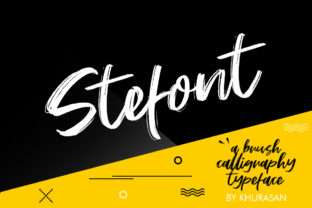
Stefont isn’t just another decorative font. It has a unique charm—an elegant, vintage feel paired with the warmth of handwriting. This makes it perfect for businesses that want to stand out while maintaining a sense of authenticity. Whether you're designing a logo for your boutique or creating packaging for your handmade candles, Stefont adds a personal touch that resonates with real people.
The subtle brush strokes give it a handcrafted look without compromising legibility. It's not too wild or cursive-heavy, which means it can still be used effectively on smaller labels or digital platforms like Instagram posts. The balance between style and readability is what sets Stefont apart from other script fonts.
Real-World Uses for Stefont in Business
Let’s talk about practical applications. Here are some ways I’ve already started using Stefont across my own brand materials:
- Logo Design: For my new bakery, I wanted a logo that felt cozy and inviting. Stefont added that artisanal flair I needed without looking too cluttered.
- Product Labels: On my homemade candle jars, I use Stefont for the product names. It gives them a premium feel and makes each label look hand-picked rather than mass-produced.
- Social Media Graphics: When promoting new products on Pinterest or Instagram, Stefont helps create a more human connection. People respond well to content that feels personal.
- Menus and Flyers: I've also used it as an accent font in café menus and flyers, pairing it with a clean sans serif to highlight key items or promotions.
How Stefont Builds Brand Consistency
Consistency is key in branding. Your customers should instantly recognize your visual identity across all touchpoints. Using the same font family in your logo, website, and packaging creates that cohesion. With Stefont, I now have a signature script that appears subtly throughout my branding, making everything feel connected and intentional.
For example, I pair Stefont with a simple sans serif like Montserrat or Lato in web design. The contrast keeps things interesting while ensuring clarity and accessibility. This kind of thoughtful font pairing elevates the overall look and makes your brand feel more professional.
Use Cases by Industry
Here are a few examples of how different businesses might benefit from using Stefont:
- Boutique Owners: Use it in your logo and window signage to evoke a sense of craftsmanship and care.
- Café and Restaurant Brands: Apply it to chalkboard-style menu boards or branded coffee cup sleeves for a nostalgic vibe.
- Beauty Product Packaging: Add it to cream jar labels or sticker seals for a soft, approachable aesthetic.
- Coaching Businesses: Feature it in motivational quotes on social media graphics or printed thank-you cards to clients.
- Handmade Sellers: Use it for custom wrapping paper text or as a signature on gift tags to enhance perceived value.
Readability and Practicality in Real Settings
One concern I always have with decorative fonts is whether they’ll hold up in everyday use. Stefont passes this test impressively. Its natural flow and spacing make it easy to read even at smaller sizes, which is essential for printed labels or mobile-friendly website banners.
I tested it on a product label for a new line of bath salts and found it worked beautifully. The letters weren’t too thin or crowded, so it remained legible under various lighting conditions. For digital use, it looks crisp on thumbnails and headers, helping my content stand out in a crowded feed.
When to Use Stefont
While Stefont is versatile, it shines brightest in certain areas. Here’s a quick guide to where it fits best:
- Headlines: Use it to grab attention in blog posts, email newsletters, or landing page titles.
- Logos: Great for logos that need to feel personal but still polished.
- Display Text: Ideal for hero sections on websites or promotional banners.
- Accent Typography: Pair it with simpler fonts for headlines, taglines, or special offers.
- Supporting Typefaces: Avoid using it for long paragraphs, but it works well in short phrases or call-to-action buttons.
Testing Stefont Before Full Adoption
Before committing to a font for your entire brand, it’s wise to test it first. I suggest using Stefont in one or two low-stakes projects—like a sample Instagram post or a mock-up of your next product label. See how it looks in different sizes, colors, and backgrounds. Does it still feel elegant? Is it readable?
You might also print it out to check its performance in physical form. Sometimes a font looks great on screen but doesn’t translate well to paper. Stefont handles this well, but testing ensures it complements your specific materials.
Pairing Ideas for Maximum Impact
Font pairing can transform your designs. Since Stefont is a script font, it plays nicely with both serif and sans serif fonts. Here are a couple of combinations I’ve found effective:
- Stefont + Roboto: For a modern, yet warm contrast in digital ads and website visuals.
- Stefont + Merriweather: To blend elegance and readability in print-based materials like brochures or thank-you notes.
These pairings help maintain the artistic edge of Stefont while keeping supporting text clear and scannable. The right combination can turn a simple graphic into a compelling piece of communication.
Commercial Font Licensing: An Important Note
Before you start using Stefont on your product packaging, merchandise, or client work, double-check the commercial font licensing. Many beautiful fonts are only free for personal use, which could limit their effectiveness if you’re scaling your business. Make sure the license allows for the uses you plan—especially if you’re printing on physical goods or using it in templates for downloadables.
Once you confirm it’s suitable for your needs, you can confidently build your brand around it. It’s worth investing in a font that supports your growth and aligns with your brand identity.
Why Small Businesses Should Care About Their Typeface
A font may seem like a small choice, but it impacts how your brand is perceived. A well-chosen typeface can communicate luxury, simplicity, tradition, or innovation—all without saying a word. Stefont helps me achieve that delicate balance of being creative enough to stand out and professional enough to earn trust.
Think about your ideal customer. Do they appreciate handcrafted details? Are they drawn to vintage aesthetics? If yes, then Stefont could be a great fit. It’s not just a pretty font; it’s a strategic design choice that supports your brand’s message and values.
Branding with Purpose
My goal as a business owner is to create something memorable. I don’t just want customers to see my logo—I want them to remember it. Stefont helps me do that. Its character-driven style makes it perfect for brand elements that require emotional resonance, like thank-you cards, event invitations, or seasonal greetings.
It also gives me confidence when working with design assets. Knowing I have a reliable creative font in my toolkit means I can focus more on messaging and less on formatting. And when consistency is maintained across all channels, my brand feels stronger and more trustworthy.
Conclusion
Choosing the right font is part of building a strong brand identity. Stefont offers the perfect mix of elegance and approachability for entrepreneurs who want to add a personal touch to their visuals. From packaging design to social media graphics, it enhances the overall quality of your materials and supports a cohesive look that customers will notice—and remember.
If you’re looking to elevate your brand with a premium font that still feels authentic, consider giving Stefont a try. Just make sure it’s properly licensed for your intended use, and experiment with different pairings to find what works best for your style.